
New Jersey Winter Hardscape Care, Preventing Cracks and Extend Longevity 

|

Your beautiful outdoor living space is a significant investment, a place for relaxation and creating memories. But as the vibrant colors of autumn fade, the harsh New Jersey winter looms, bringing with it a hidden threat to your patios, walkways, and retaining walls. Snow, ice, and relentless freeze-thaw cycles can inflict serious damage, leading to costly repairs and diminishing the value of your property. Proactive winter hardscape care is not just maintenance; it is a crucial strategy to protect your investment, prevent cracks, and ensure your outdoor oasis is ready to enjoy the moment spring arrives.

The Hidden Costs of Winter Neglect

Ignoring your hardscapes before the first frost can lead to a cascade of problems. What starts as a small, unnoticed crack can allow water to penetrate. When this water freezes, it expands with immense force, widening the crack and compromising the structural integrity of pavers, stone, or concrete. This can result in heaving, shifting, and uneven surfaces that are both unsightly and hazardous. The cost of neglect isn’t just financial, involving potential deck resurfacing or complete patio replacement, it’s also the loss of enjoyment and curb appeal.
What causes hardscape materials to crack during winter?

The primary culprit behind winter cracks in hardscape materials is the expansion of freezing water. When rain or melting snow seeps into small pores and joints in concrete, pavers, or natural stone, it settles within. As temperatures drop below freezing, this trapped water turns to ice and expands. This expansion exerts incredible internal pressure on the material, a force strong enough to break apart concrete and stone from the inside out. Repeated cycles of freezing and thawing exacerbate the damage, turning minuscule fissures into significant cracks and structural failures over a single season.

Outdoor kitchen with grill and pergola | outdoor kitchen trends | Creative Pavers

Foundational Steps for All Hardscapes: Proactive Winter Preparation

Before winter fully sets in, a series of foundational tasks can dramatically improve your hardscape’s resilience for your winter hardscape care. These steps apply to nearly every component of your outdoor living space.

  • Thorough Cleaning for Winter Hardscape Care is the first line of defense. Start by giving all hardscape surfaces a deep clean. Remove dirt, leaves, moss, and other organic debris. This is crucial because this debris traps moisture against the surface, creating a perfect environment for water to linger and then freeze. A pressure washer on a low setting or a stiff brush with an appropriate cleaner can effectively prepare your surfaces.
  • Inspect and repair minor issues before they worsen. Carefully walk through your property and inspect all hardscaping. Look for small cracks in your patio, loose pavers in a walkway, or deteriorating mortar in a stone wall. Addressing these minor issues now is far easier and less expensive than dealing with major failures in the spring.
  • Optimize Drainage: Prevent water accumulation. Water is the enemy. Ensure your drainage systems are functioning optimally. Clean out gutters and extend downspouts to direct water away from patios and retaining walls. Check that any French drains or channel drains are clear of debris. Proper grading should slope away from your home’s foundation and hardscape structures to prevent water from pooling.
Material-Specific Winter Hardscape Care Strategies to Prevent Cracks

While foundational steps are universal, different hardscape elements require tailored care to withstand winter’s challenges.

  • Paver Systems and Paver Walkways

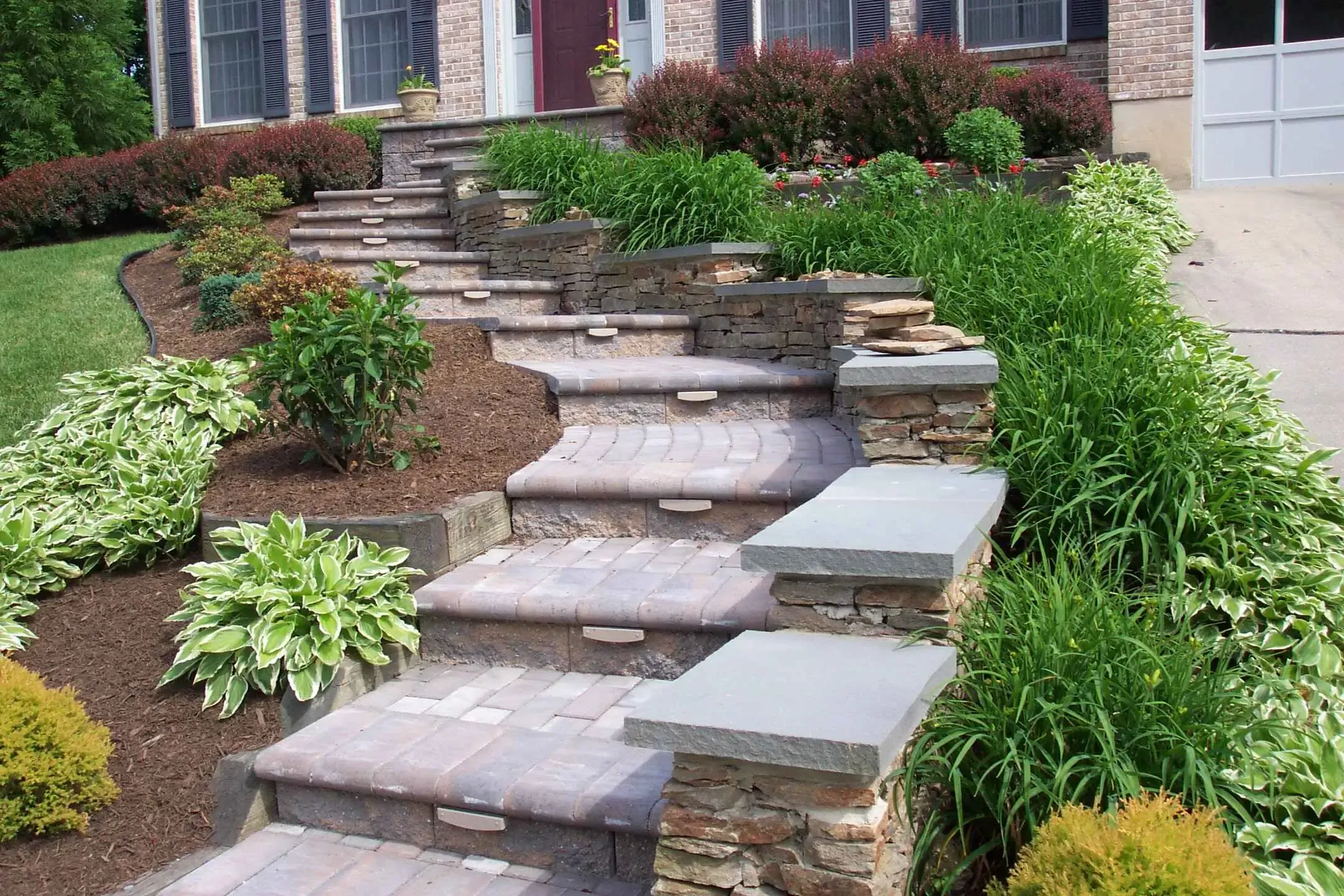
For paver systems and paver walkways, the key to stability lies in the joints. Inspect the polymeric sand between pavers. If it’s low or washed out, water can get into the base layers, leading to heaving. Top it off with fresh polymeric sand to lock pavers together and seal the joints against moisture. Avoid using harsh metal shovels for snow removal, as they can chip or scratch the paver surface.

  • Retaining Walls

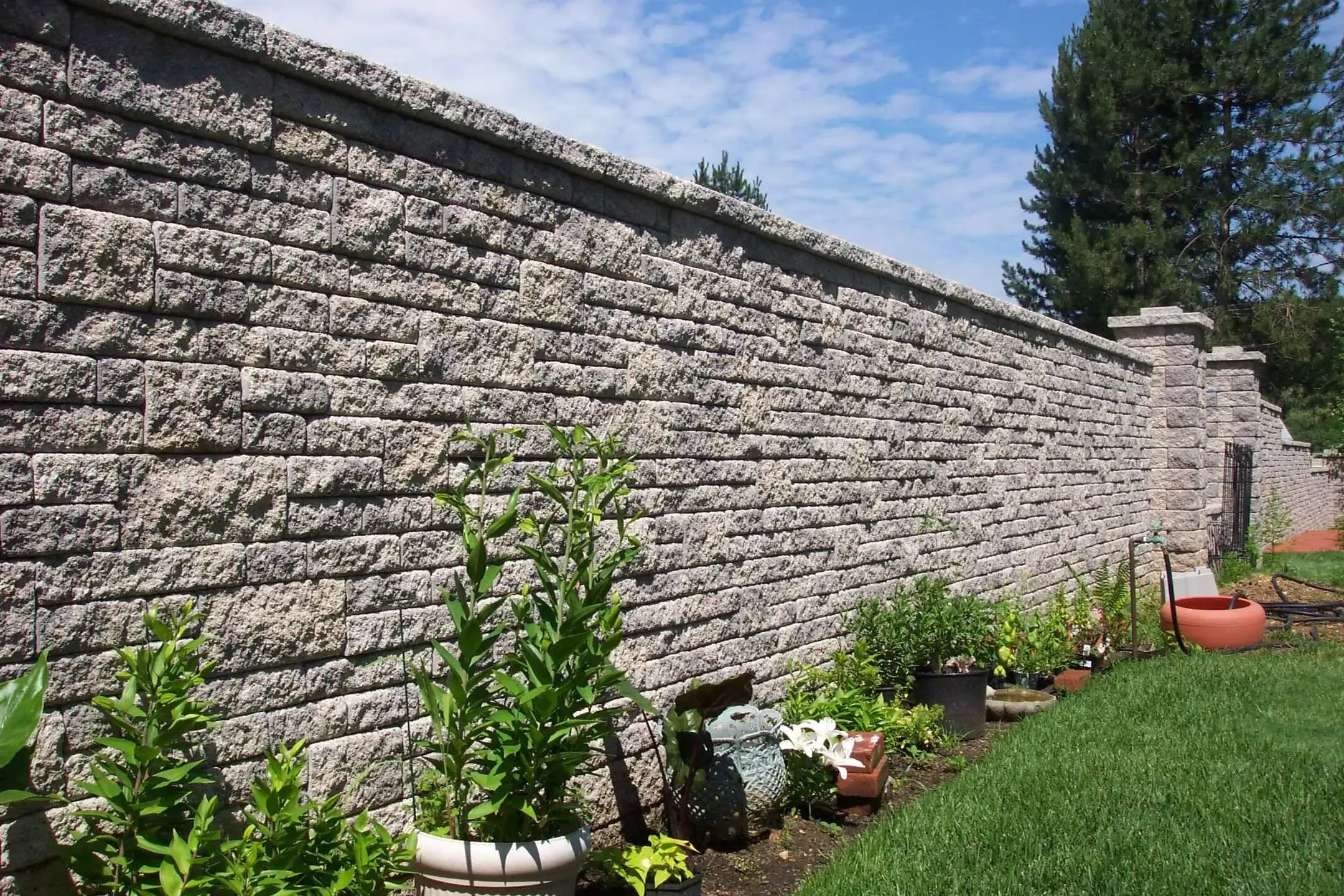
Inspect retaining walls for any signs of bulging or cracking. Ensure the drainage weep holes at the base of the wall are clear of debris so that water can escape from behind the structure. Rake leaves and soil away from the base to promote airflow and drying.

  • How can proper drainage prevent winter damage to hardscaping projects?

Proper drainage is the cornerstone of winter hardscape protection. When a robust patio installation includes effective drainage systems, it prevents water from saturating the base material beneath pavers or concrete. Without this saturation, there is no trapped water to freeze, expand, and cause heaving or shifting. For retaining walls, drainage prevents the buildup of hydrostatic pressure from frozen soil, which can cause walls to bow or fail.

  • Patios (Concrete, Stamped Concrete, Natural Stone)

For poured concrete or stamped concrete patios, focus on keeping the surface clean and free of debris. Regularly sweep the patio to prevent dirt and leaves from accumulating, which can retain moisture and promote freeze-thaw cycles. For natural stone patios, inspect for any loose stones or crumbling mortar joints and address these issues before winter sets in to maintain structural integrity.

  • Fire Pits

Clean out your fire pit completely, removing all ash and unburnt wood. Ash absorbs moisture and can hold it against the fire pit’s masonry, leading to freeze-thaw damage. If your fire pit has a metal insert, ensure it is dry to prevent rust. Using a weather-resistant cover provides the best protection.

Outdoor kitchen table with seating and grill | outdoor kitchen trends | Creative Pavers

Schedule Your Free Consultation Today!

Don’t wait for winter damage to take you by surprise. Contact Creative Pavers today to schedule a detailed inspection of your outdoor living space. Our seasoned professionals will provide recommendations tailored to your specific needs, ensuring your hardscaping remains beautiful and durable through winter and beyond. Give your outdoors the care it deserves and get in touch with Creative Pavers now to ensure your space is winter-ready! 

Contact us Today

A complete winterization plan addresses every component of your outdoor environment, from structures to amenities. 

Proactively preparing your hardscapes for winter is one of the most valuable maintenance routines you can perform as a homeowner. It is a direct investment in the longevity, safety, and beauty of your outdoor living spaces. By understanding the forces of winter and taking targeted, preventative steps—from cleaning and sealing to ensuring proper drainage—you can effectively prevent cracks, heaving, and costly repairs. This not only preserves the structural integrity of everything from your paver walkways to your outdoor kitchen but also maintains your property’s value and ensures your backyard is pristine and ready for enjoyment the moment warmer weather returns. For homeowners in New Jersey facing harsh winter conditions, a comprehensive assessment by professionals like Creative Pavers can provide tailored solutions, address complex repairs, and implement robust drainage systems, offering peace of mind and protecting your investment for decades to come. 

Hear It from Our Happy Clients

At Creative Pavers, we bring dreams to life. Here is what one of our happy clients had to say about their experience:

“Creative Pavers did a fantastic job, installing a new deck which they covered, and screened in. They also built a paver patio and sitting wall. Nick was easy to work with and all the workers were professional with attention to detail. Would highly recommend Creative Pavers and we would definitely use them again for any future jobs.” 

Beverly. M

Your dream outdoor space is within reach. If you are envisioning a cozy patio for morning coffee, Creative Pavers is here to make it happen—just like we did for Beverly.

6. High-End Materials That Hold Up

Forget tile that cracks or countertops that stain. Today’s outdoor kitchen design calls for materials that can handle both the heat of summer and the freeze-thaw cycle of winter.

Some of the top material picks right now:

  • Dekton and sintered stone countertops: sleek, durable, UV-resistant
  • Stainless steel cabinetry with powder coating: for a polished, low-maintenance finish
  • Ipe or thermally modified wood cladding: adds warmth without sacrificing longevity

Pro tip: Choose materials with long warranties and proven performance in your local climate.

Dekton And Sintered Stone Countertops

Sleek, durable, UV-resistant

Stainless Steel Cabinetry with Powder Coating

For a polished, low-maintenance finish

Ipe or Thermally Modified Wood Cladding

Adds warmth without sacrificing longevity

7. Sustainable Materials and Off-Grid Functionality

Eco-conscious materials and design are shifting from nice-to-have to non-negotiable. Outdoor kitchens are getting smarter about water usage, power sources, and local sourcing.

Trends driving this:

  • Rainwater capture systems for sink usage or garden irrigation
  • Solar-powered lighting and refrigeration
  • Reclaimed wood and other materials used in counters, flooring, or decor

This isn’t about looking “green”—it’s about building smarter spaces with less long-term cost and impact.

8. Outdoor Refrigerators Are Evolving

In years past, mini fridges were tossed in as an afterthought. In 2026, they’re part of the core plan.

Expect:

  • Full undercounter beverage stations
  • Ice makers with nugget or gourmet ice
  • Wine coolers rated for outdoor use

Luxury outdoor kitchens now include full drink stations—making it easier to host without running inside every 10 minutes.

9. Hidden Tech and Smart Features

More outdoor kitchens are integrating tech in subtle, useful ways. The goal: convenience without clutter. Examples of smart technology features:

  • Smart lighting systems that can dim, change color, or be controlled via app
  • Motion sensors for under-counter or path lighting
  • Built-in USB and weatherproof electrical outlets
  • Sound systems or other Wi-Fi-enabled appliances
  • App-connected grills with timers and internal meat probes
  • Smart irrigation or misting systems to cool guests on hot days

You don’t need to turn your patio into a gadget showcase. But one or two smart features can dramatically improve usability and comfort.

10. Year-Round Cooking With Fire Features

Want your outdoor kitchen to stay active in the colder months? Fire is the answer.

Ideas to add warmth:

  • Overhead heaters mounted under pergolas
  • Linear gas fire pits near the dining area
  • Wood-burning outdoor fireplaces built into the hardscape
  • Tabletop fire bowls for ambiance and comfort

When paired with windbreaks or adjustable screens, these elements allow you to cook and dine outside long after summer ends.

11. Open-Concept Layouts with Indoor Access

Designers are blurring the line between indoor and outdoor spaces. Expect to see more multi-panel sliding doors, serving windows, and even shared kitchen islands that straddle the indoor-outdoor divide.

Some setups even include:

  • Retractable awnings or roofs
  • Drop-down insect screens
  • Matching finishes between indoor and outdoor kitchens

These layouts encourage more year-round use—especially in four-season climates.

Fireplace underneath pergola | outdoor kitchen trends | Creative Pavers

12. Cold Zone Setups for Drinks and Desserts

Sure, grills get all the attention. But 2026 is shining a light on the cold side of the outdoor kitchen, too.

Add-ons people are now asking for:

  • Ice wells built into counters
  • Undercounter beverage centers
  • Freezers for frozen desserts and fruit
  • Built-in blenders for smoothies or frozen cocktails

Your outdoor kitchen isn’t complete until guests can grab a drink without walking inside. Period.

Why Outdoor Kitchens Are Still Booming

There’s a reason outdoor kitchen design is at the top of renovation wish lists. The value goes beyond just resale—it’s about how people want to use their homes. More than ever, homeowners are:

  • Cooking and entertaining outside
  • Expanding their livable square footage
  • Creating personalized spaces that reflect their taste and routine

It’s not just about installing a grill. It’s about building a second kitchen—outside—that works just as well (or better) than the one inside.

Design Tips for 2026 Outdoor Kitchen Projects

To get the most out of your build:

1

Plan Zones

Keep prep, cooking, and serving areas separate to avoid crowding.

2

Factor in Storage

Don’t forget about dry storage for cookware, tools, or even trash bins.

3

Think About Airflow

Grills need proper ventilation, especially if under a roof or pergola.

4

Use a Design Pro

A seasoned hardscape and kitchen designer will save you from layout regrets and costly redos.

Here’s the truth about outdoor kitchen trends for 2026: people want real-life functionality with high design. They want spaces that impress their guests but also make weeknight dinners easier and more fun.

The difference between a great space and an awkward one isn’t budget—it’s smart planning, the right team, and finishes that actually work outdoors.

Make Your Outdoor Kitchen a Reality

At Creative Pavers Inc., we bring experience, design insight, and craftsmanship together to build spaces that aren’t just beautiful—but genuinely livable.

Whether you’re building a full luxury outdoor kitchen or starting small with smart upgrades, we help you do it right the first time.

Let’s design your outdoor kitchen together.